Behind the lens: living with ME/CFS
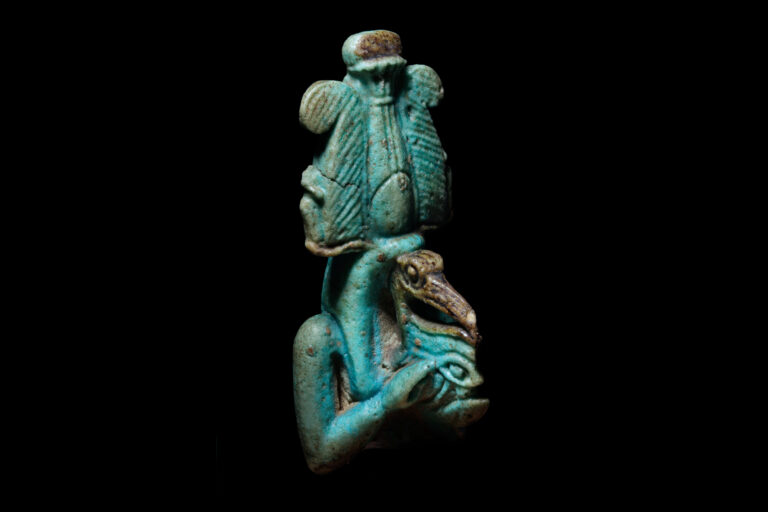
If you’ve been following me for a while, you’ll know I love to talk about my photos of ancient artefacts, wrangling my camera in low-light museum galleries, or sharing the thrill of a newly discovered detail on an object. But today, I’m turning the lens inward.
I’ve often mentioned my ME/CFS, but as 12 May is International ME/CFS Awareness Day, I thought it a good time to properly pull back the curtain on this aspect of my life. It’s an opportunity to explain why my presence here can sometimes be inconsistent, why a promised article might arrive later than expected, or why I’ve gone quiet on social media. It’s not a lack of passion – far from it. It’s because my life is currently governed by a complex, often misunderstood neurological illness: Myalgic Encephalomyelitis/Chronic Fatigue Syndrome (ME/CFS).1
What exactly is ME/CFS?
First, let’s clear up a common misconception. Despite the name ‘Chronic Fatigue Syndrome,’ this isn’t about being tired after a long week or needing a nap. The World Health Organization (WHO) classifies ME/CFS as a neurological disease, placing it firmly in the realm of conditions affecting the nervous system, not a psychological issue or simple exhaustion.
We’re still not entirely sure what’s happening in the bodies of ME/CFS patients, why it’s happening, or even if every patient is experiencing the same illness or whether there are several subtypes (although with every year that goes by, our understanding grows). But what we do know is that the body is not able to produce energy in the way it should be, that it’s possibly got itself stuck in emergency mode and overreacts to stimuli that are not problematic to healthy people. It frequently begins after a viral illness,2 but not always; some people get thrown into it after a traumatic experience, others after years of low-grade, unrelenting stress and complex trauma.
The hallmark symptom of ME/CFS, the one that defines the illness, is Post-Exertional Malaise (PEM). This is a disproportionate worsening of symptoms after physical or mental exertion – often delayed by a day or more – that wouldn’t have caused a problem before the illness. Imagine going for a gentle walk or spending an hour having a coffee with a friend, only to be hit a day or two later with flu-like symptoms, crushing fatigue, and cognitive fog that leaves you exhausted and non-functional. Our tolerance for exertion – both physical and cognitive – is much lower than it should be, and there’s mounting evidence that that our bodies fail to kickstart the recovery process following exertion; it’s a biological crash where the body’s energy production systems simply fail to recover. This isn’t laziness, nor is it malingering; it’s a physiological inability to generate energy normally.
There are varying severity grades of ME/CFS. Some have it ‘mildly’ (although I take issue with this term; even ‘mild’ ME/CFS can have a significant affect on people’s lives, with some having to reduce their activity by 50%), some ‘moderately’, and some are so severe they’re unable to even sit up or eat properly. I currently sit somewhere down the bottom of moderate, sometimes dipping towards severe.
Mobile phones: an analogy
The analogy I use to describe how ME/CFS affects us is that of a mobile phone. For a healthy person, you wake up in the morning and your phone is charged to 100%. Across the day, you might have some phone calls, spend some time on WhatsApp, perhaps play a game or watch some videos on YouTube. You might plug your phone in for 10 minutes during your lunchtime to give it a bit of extra charge, but if you can’t, it doesn’t matter; it’ll still see you through until you get home. You might spend the evening scrolling social media or playing some more games. By the time you get to bed, it’s low on battery, but it hasn’t drained. You plug it in and go to sleep. Next morning, you wake up with 100% battery …
For those of us with ME/CFS, our phone batteries can’t charge to 100%. For some of us, it might only charge to 50%, others can’t get beyond 10%. They charge more slowly and drain more quickly than they should. We have to spend our day managing the charge we have available; we have to sacrifice the fun things – playing a game or watching a video – so we can still deal with that phone call from a work colleague or family member. We can’t do any one thing for very long before having to stop to plug our phones in to try to claw back some charge (and we can’t use our phones while they’re recharging). Sometimes we have to use our phones beyond what we should – maybe an online appointment via Zoom – and our phone is worked so hard by it, it charges at half the speed to half its usual maximum charge for an entire week afterwards. Do that too many times and that lower level and speed of charge becomes the new normal. Our entire days are dictated by the lack of charge our phones will hold.
My story: from ‘pushing through’ to pacing
My own diagnosis came in May 2015, though the signs were there earlier. I’d endured a few winters where every cough and cold lingered far too long, and my absences from work during colder months was rising. In December 2014, my GP diagnosed ‘post-viral fatigue,’ warning me that if it lasted more than 12 weeks, it could develop into ME/CFS.3 In February 2015, I had a bout of the flu, and in the April, a bite from a False Widow spider behind my ear left me with numbness and tingling down my face for three weeks. Whether that bite really kicked things off, or was just another (slightly horrifying!) insult to an already struggling immune system, I don’t really know.
The defining moment came in a gym. I was attempting some basic exercises when I realised I was so utterly drained, I could barely lift myself off the mat. It wasn’t just tiredness; it was complete and utter exhaustion. I returned to the GP and received the formal diagnosis. (I’m lucky in this respect; many people fight for years to even get a diagnosis.)
My GP at the time, operating under the now-debunked theory of Graded Exercise Therapy, refused to sign me off work, suggesting I just keep pushing, as this would ‘train’ my mind to understand that exertion was fine. So I did. I commuted to my office job, moving at a snail’s pace, until my body forced me to reduce my hours by half (luckily, I was working for a trade union, who treated me very well during this time). Even that proved unsustainable. By 2018, I had to leave the job.
For a few years, as a self-employed photographer, I found a fragile stability. This is the time you may remember me for such exhibitions as the Garstang’s Book of the Dead: Passport through the Underworld and Manchester Museum’s Golden Mummies of Egypt. Then, in June 2023, likely due to Long Covid on top of the ME/CFS, my health took a nosedive. I’ve been mostly housebound since.
Life in the slow lane
Today, ME/CFS rules almost every aspect of my existence. It dictates whether I can spend time with my husband and daughters, attend a family wedding, or even walk the dog. I’ve missed exhibition openings, funerals and birthday parties. Simple tasks like cooking, cleaning, or grocery shopping are beyond me.
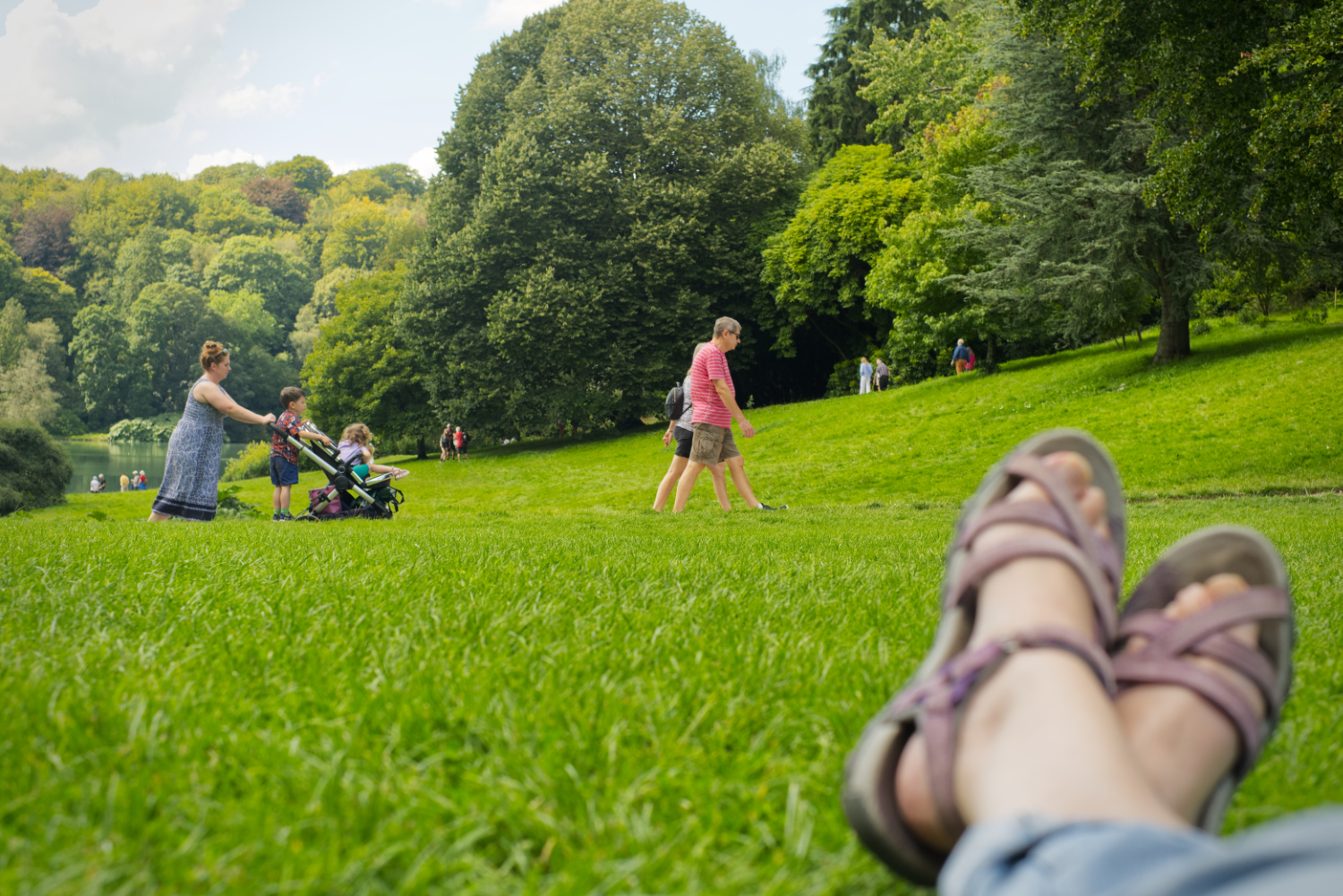
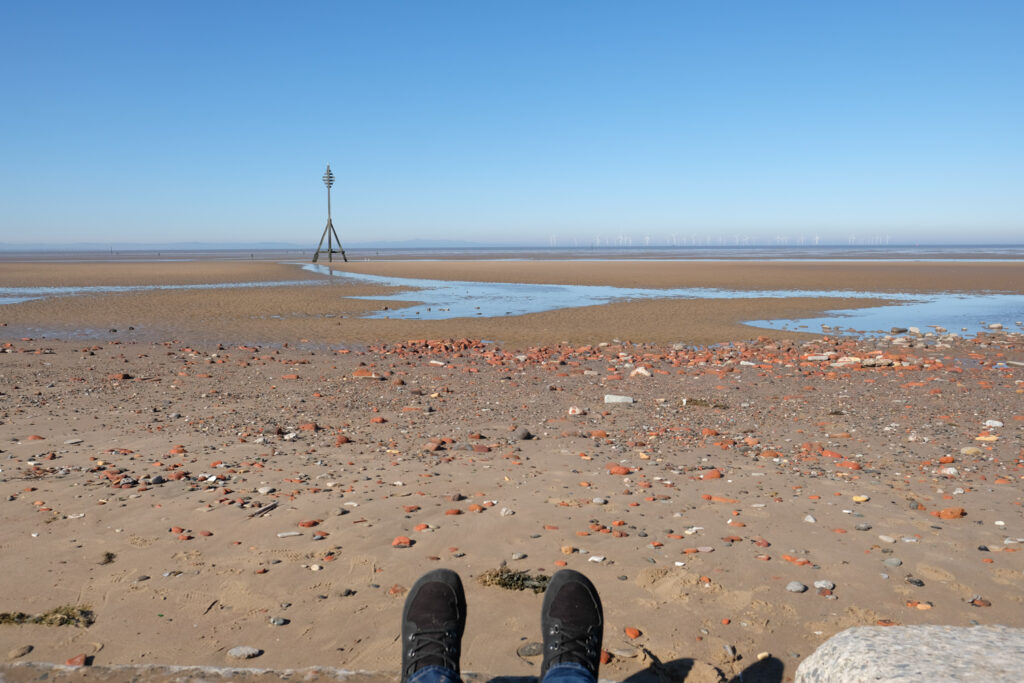
Before 2023, I could drive an hour to Manchester or Bolton for a full day of artefact photography. Now, a 20-minute drive to the Garstang Museum is my limit, and even then, I can only manage a couple of hours, followed by complete rest for at least two days afterwards and another week of general recovery time. When I visit the beach, all my photos are taken from a small area: the place where I can find somewhere to sit down.
The symptoms are pervasive. Beyond the fatigue – which feels like having the flu or a bad hangover – I deal with cognitive issues. On bad days, I struggle to find words, read, or even hold a conversation with my family. Sleep is non-restorative (I wake up each morning feeling like I’ve had three hours’ sleep instead of seven or eight), light and sound sensitivity and tinnitus fluctuate with my energy levels, and my immune system overreacts to even minor bugs. Stressful situations can trigger a crash that lasts for days.
Managing the unmanageable
There is no known cure4 and no specific medication or therapy for ME/CFS. The UK’s NICE guidelines recommend pacing – staying within your ‘energy envelope’ to avoid triggering PEM, which I do to the best of my ability. As I am also autistic and ADHD, my interoception (understanding how my body feels) is not great, and the advice to ‘stop as soon as you feel symptoms start’ is hard for me.
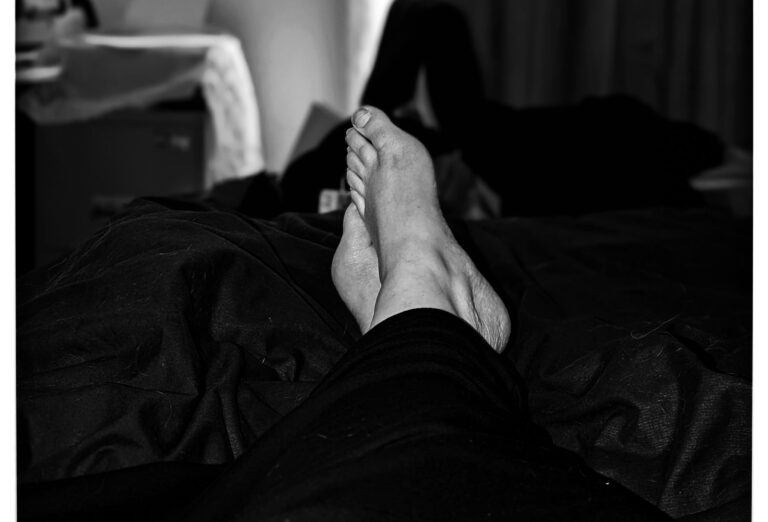
I try to have a lie down after breakfast (often doing a meditation on the Headspace app), my workdays are four to five hours long, and I try to have a lie down in the afternoon. There’s a lot of advice centring around meditation and deep breathing to calm an overactive stress response, which can help me maintain my baseline. There is also a lot of pseudoscience out there, ready to take your money, with the excuse of ‘you didn’t do it right’ when it doesn’t work.5
I work from bed with my laptop on a tray, I have a recliner chair in the living room, and use a heart rate monitor to alert me if my physical exertion gets too high (though, frustratingly, it can’t track cognitive exertion from writing, reading or chatting on the phone).
Medical support has been scarce. I’ve been left largely to my own devices. As of the time of writing, I’m on waiting lists for talking therapy (a year, and still waiting), another round of physiotherapy (over a year) and ADHD medication (which had previously helped improve my energy a little – 18 months so far). A recent attempt to access a Long Covid clinic ended with a dismissive cardiologist who botched a test and questioned the validity of my diagnosis – a ‘hysterical woman’ stereotype that many of us know too well. It’s a lonely path, reliant on the unwavering support of my husband, who manages our household’s daily needs.
I’m also waiting for an assessment for Personal Independence Payment (a government benefit in England that supports the extra financial costs that can come with living with a disability) and I’m on a waiting list for social support (more than a year).
Every time I have to fight to get on to a waiting list, it exhausts me just a little bit more.
A glimmer of hope
Despite the daily challenges, there is hope in the air. The explosion of Long Covid cases has shone a spotlight on post-viral syndromes, leading to increased research funding. Scientists are able to spend more time looking beyond standard blood tests, studying tangible physiological differences in ME/CFS patients: mitochondrial dysfunction, dysfunction of the autonomic nervous system, impaired blood flow to the brain, and abnormal lactate levels, to name but a few.
A recent study of over 15,000 ME/CFS patients found significant genetic differences from the general population. These differences were found in parts of the DNA that deal with immunity and the nervous system. This alone has been such a huge win for the ME/CFS community.
While some pockets of psychiatry still cling to outdated psychosomatic models, the momentum is shifting towards recognising ME/CFS as the serious neurological disease it is.
Looking forward
For me, the future is about adaptation and cautious optimism. After my employment with the EES, I’m rebuilding my self-employment to fit my current situation. I can’t get out to museums as often as I’d like, but I have a vast backlog of photos to edit and write about. I can typeset books for academic publishers and support other photographers online from my home.
I hold onto the belief that with enough rest, enough pacing, and enough (financial and emotional) resilience, my body might eventually move out of ‘emergency mode’ and find a way to begin to heal a little. I’m not expecting a full recovery, but if I could return to my pre-2023 baseline, a lot more of the world would open up to me – of wandering museum galleries, exploring ruined abbeys, and perhaps one day, taking my camera to Egypt.
Until then, thank you for your patience and understanding. When I disappear, know that I’m recharging, not ignoring you. And when I return with a new article or photo, know that it represents a significant victory against the odds.
Further reading
If you would like to know a little more about ME/CFS, here are some excellent, scientifically sound websites. Many of them have resources to help patients and clinicians:
- The ME Association: a UK-based charity supporting those with ME/CFS
- Action for ME: a UK-based charity supporting those with ME/CFS and involved in research into the illness
- The NHS: the entry about ME/CFS on the UK’s National Health Service websites
- The Open Medicine Foundation: a US-based global nonprofit working to further research into ME/CFS
- The Bateman Horne Center: a US-based clinic dedicated solely to caring for ME/CFS patients.
- The Workwell Foundation: a US-based foundation providing education and resources for ME/CFS.
Wikipedia also has a detailed page on ME/CFS.
And, as a final comment, for those of you who know someone with ME/CFS, long covid or any other illness that comes with fatigue problems, the best thing you can do to support us is to believe our lived experience, to treat us with dignity, to offer advice only when it’s asked for, and to not forget us. Honestly, a quick text or an offer to pop round for a cup of tea or coffee is all we need sometimes. And don’t feel offended if it takes us a while to reply, or if we cancel on you at the last minute; when the energy’s gone, it’s gone.
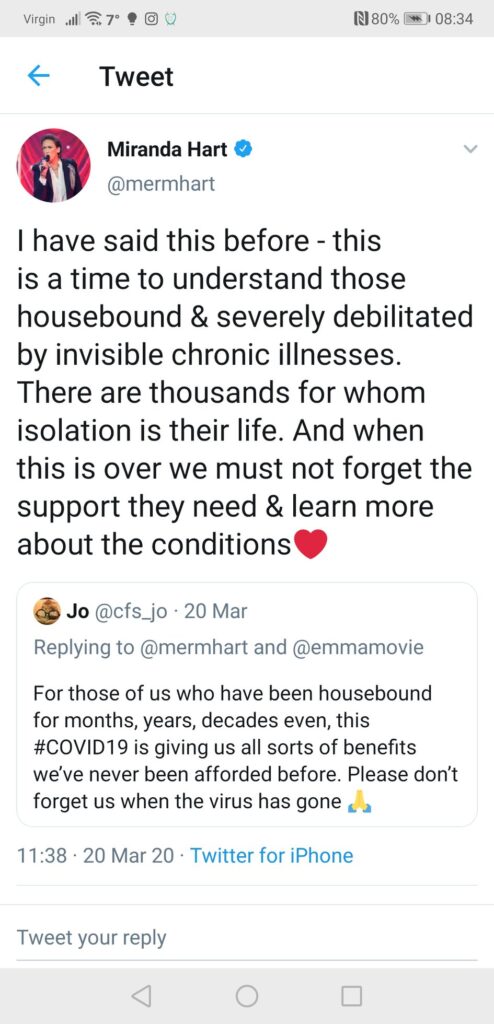
I will leave you with this tweet from British comedian Miranda Hart from March 2020, when we had the first major covid lockdown, and so many people were struggling with social isolation and feeling trapped inside their houses:
- Whilst it’s now known that we do not have actual encephalomyelitis – inflammation of the brain and spinal cord – ‘myalgic encephalomyelitis’ was a term coined for the illness many decades ago, and has stuck, despite more recent research proving the misnomer. Research studies have, however, found chronic, low-level inflammation in ME/CFS patients. ↩︎
- A lot of what I write here is also relevant to Long Covid here, as the type of Long Covid many people suffer from is often indistinguishable from ME/CFS. ↩︎
- Looking back on it, I’m not convinced this was correct; I didn’t have a defining illness or experience that kicked my ME/CFS off – it was more a gradual slide into it over a few years due to chronic high stress for a number of (personal) reasons. ↩︎
- Some people do recover, and some others recover partially. There are specialist clinics, such as the Bateman Horne Center, that have had success in helping with recovery, but it’s a long road; it can take months of radical rest to start seeing results, and even then, activity still often has to be managed to prevent a relapse. However, having access to specialists like this, and being in the position to be able to stop everything and just focus solely on rest and recouperation is a privilege many of us don’t have. ↩︎
- With the greatest respect, I ask if people don’t comment with ‘have you tried …’. I can guarantee you that either I have, I won’t (pseudoscience), I’m waiting to, or I can’t afford to. Thank you. ↩︎

Thank you for taking the time to read this article. If you’ve enjoyed it and would like to support me, you can like/comment, share it on your favourite social media channel, or forward it to a friend.
If you’d like to receive future articles directly to your inbox you can sign up using the link below:
If you feel able to support me financially, you can:
- become a patron of my photography by subscribing for £3.50 a month or £35.00 a year on Substack
- gift a subscription to a friend or family member
- if you would like to become a patron, but don’t want to pay via Substack, you can buy an annual subscription directly. Once you’ve purchased, I will add you to my list of patrons on Substack so you receive my patron-only articles
- or you can tip me by buying me a virtual hot chocolate (I’m not a coffee drinker, but load a hot chocolate with cream and marshmallows, and you’ll make me a happy bunny …)
With gratitude and love,
Julia
Unless otherwise credited, all photos in this post are © Julia Thorne. If you’d like to use any of my photos in a lecture, presentation or blog post, please don’t just take them; drop me an email via my contact page. If you share them on social media, please link back to this site or to one of my social media accounts. Thanks!